
Beneficial Insects* at GardenSphere
*Okay, they’re not all technically insects. Be cool.
Gardening is a lot of work. Invite some helpers into your yard to help with pest control, pollination, and soil health.
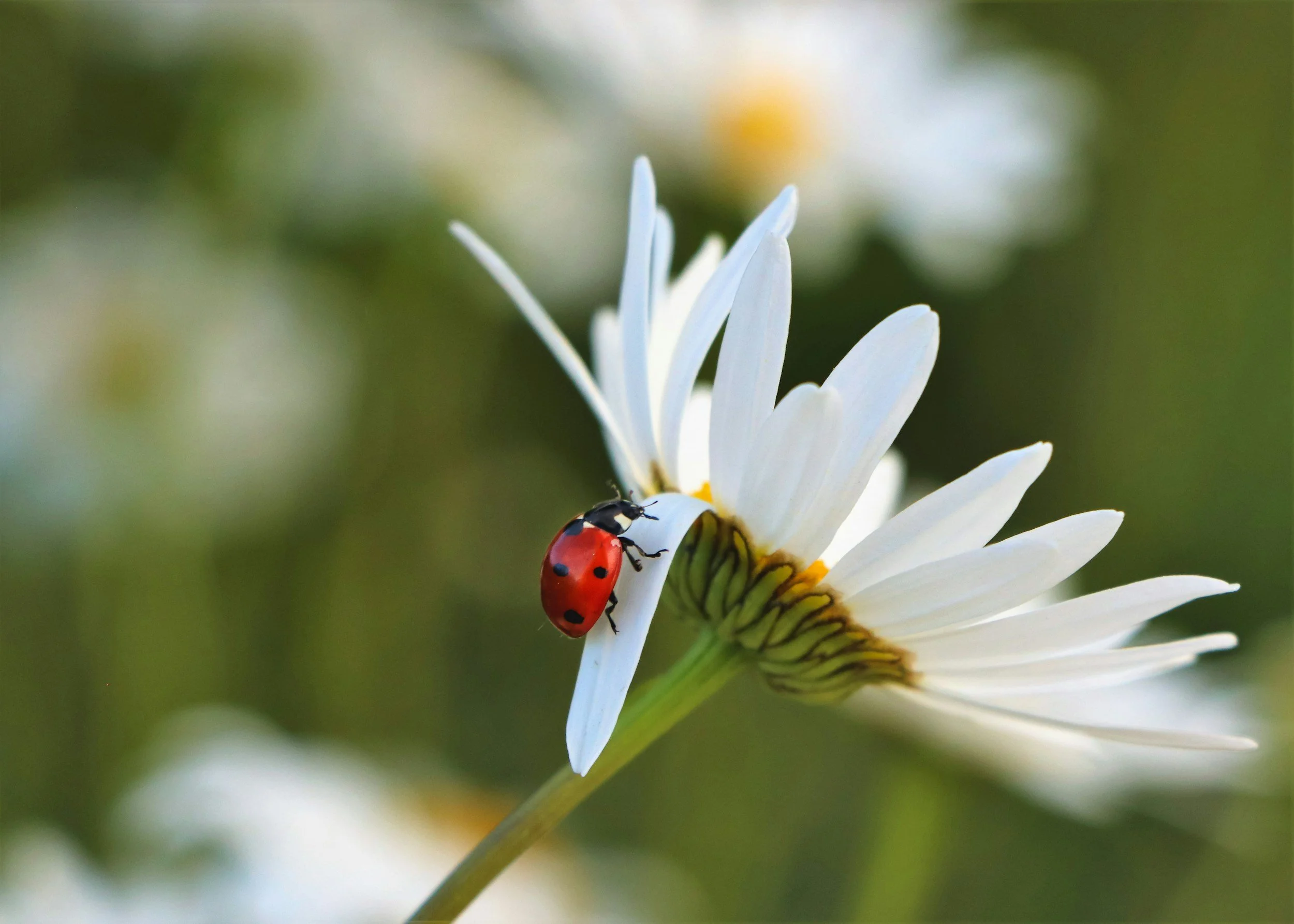
Ladybugs—500 for $24.99
Aphid problems? Ladybugs are a great solution. Simply release your ladybugs onto the affect plants and watch them and their voracious offspring devour your pests!
For best results, release on a cloudy day or close to dusk to encourage the ladybugs to settle in and get to work. In dry weather, spray the plant with water before releasing the ladybugs so they have something to drink with their meal.
IN STOCK NOW
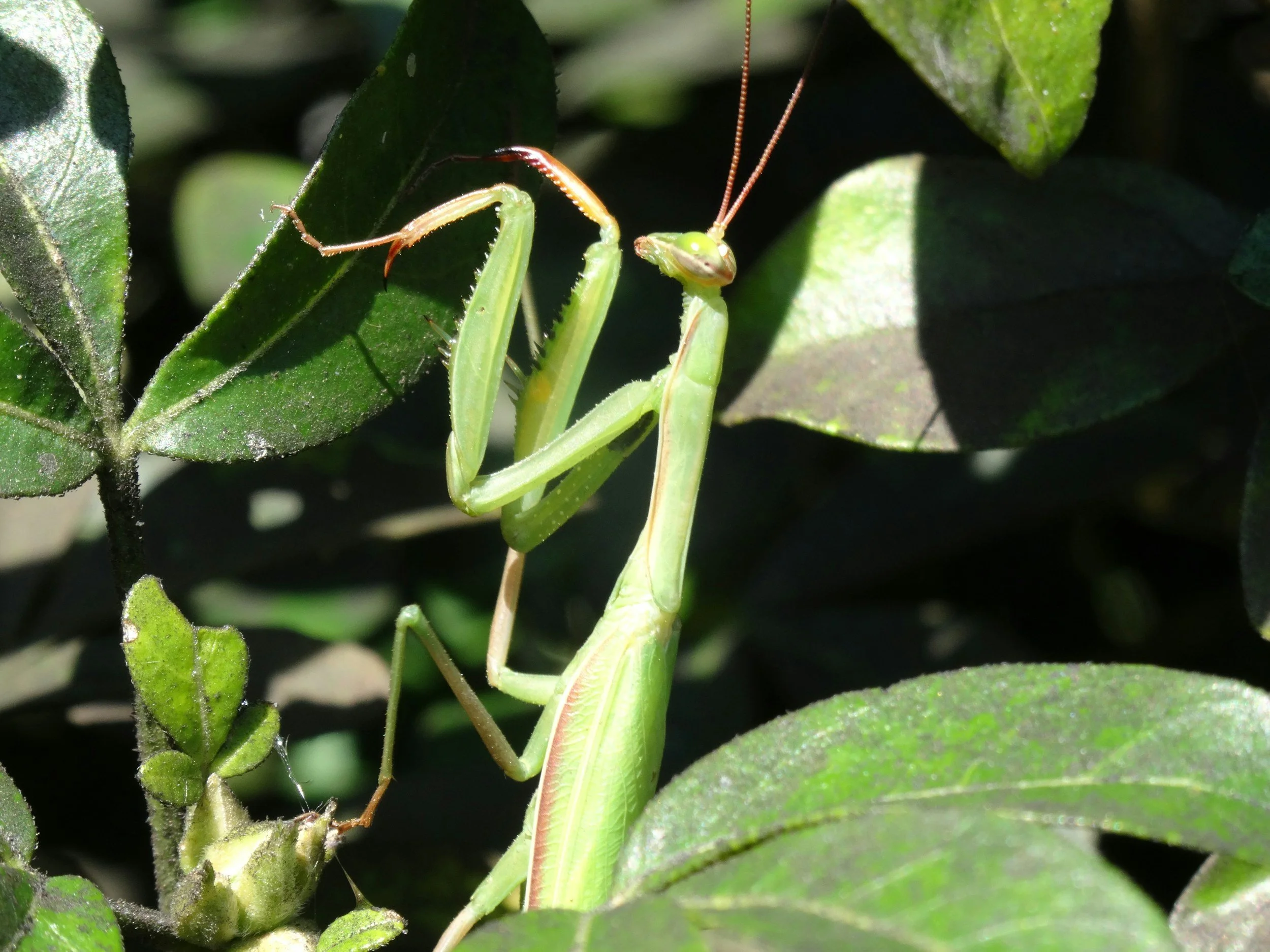
Praying Mantis—1 egg case for $24.99
Mantids are a great gardening companion. These territorial predatory insects will patrol your garden through summer and fall. Each egg case contains about 200 baby mantises, of which about four will survive to adulthood. Although you may not regularly spot them in your garden, they will be putting in the work, eating aphids, cabbage moths and their caterpillars, and stinkbugs. Simply place the egg case in a sheltered area in your yard!
Returning Spring 2027
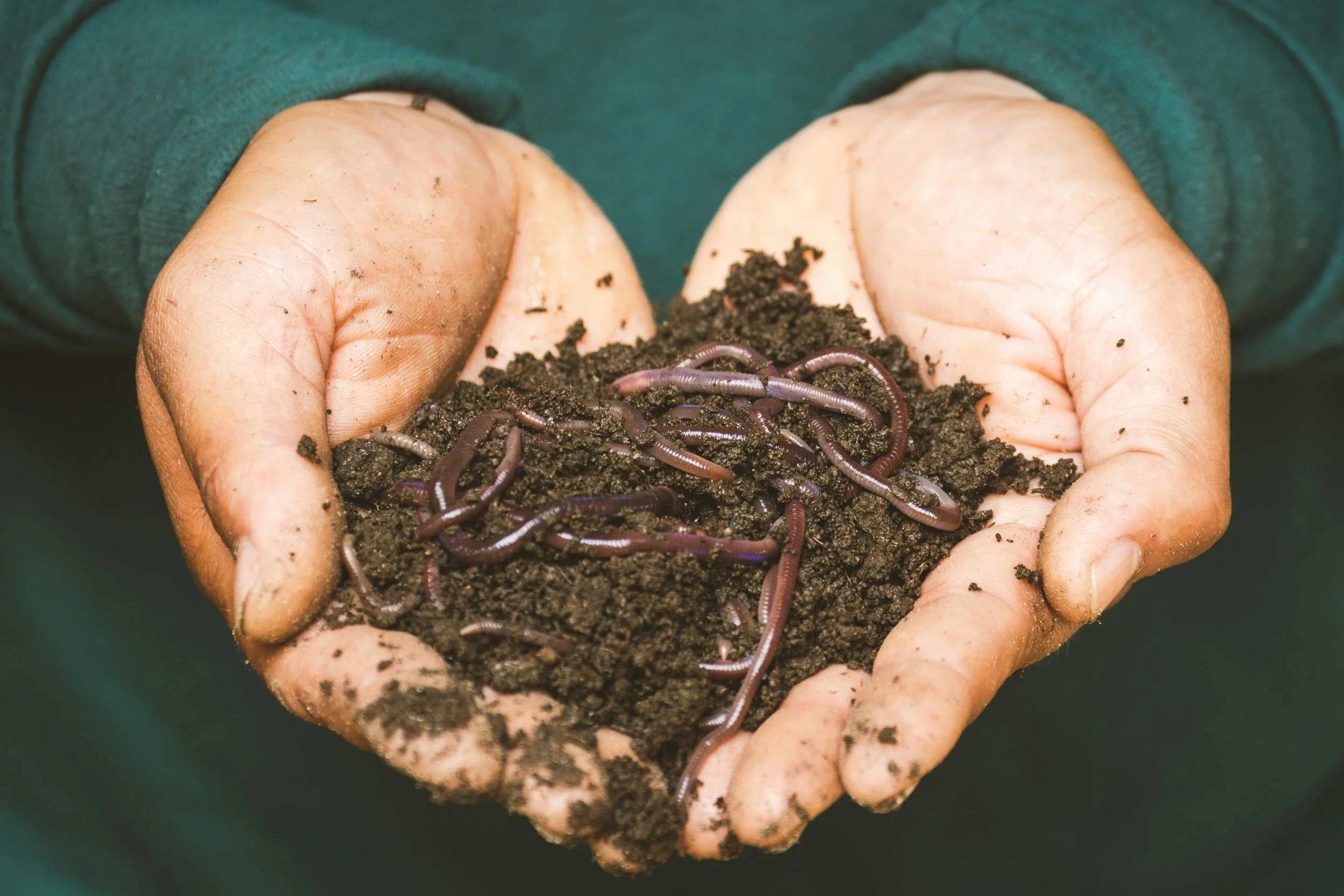
Red Wiggler Earthworms—250 for $24.99
These composting earthworms can be used in an indoor worm bin, an outdoor compost pile, or directly in a garden bed. They will quickly break down food waste or plant debris, cycling nutrients back into the soil and producing worm castings, a highly beneficial soil amendment!
Returning October 2026
Beneficial Nematodes—1 oz for $24.99
These microscopic organisms devour the eggs and pupae of soil-dwelling pests, including the fungus gnats that are infesting your houseplants and the grubs that are making the raccoons and crows tear up your lawn. They look like a yellow-ish powder. Simply mix them into a watering can or a hose-end sprayer and water them into the soil you want them to patrol.
IN STOCK NOW
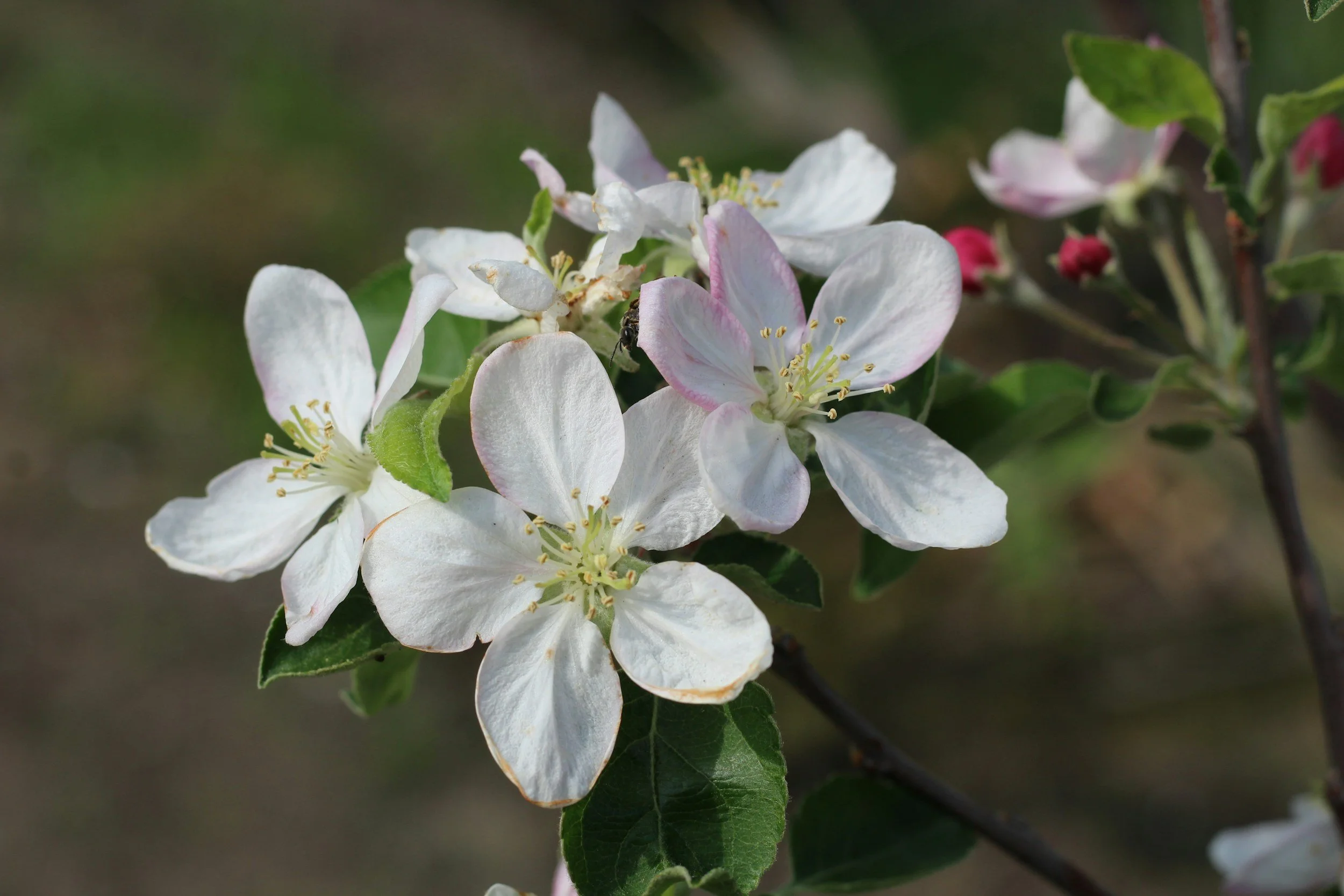
Orchard Mason Bees—10 cocoons for $14.99
These native bees emerge earlier in the season than honeybees and most other pollinators, but they are timed perfectly with your fruit trees! Each box contains ten cocoons. Set up a bee house in a sheltered area of your yard, and with minimal maintenance, they will set up shop and return to your orchard year after year. These bees do not sting and do not produce honey.
Returning Spring 2027